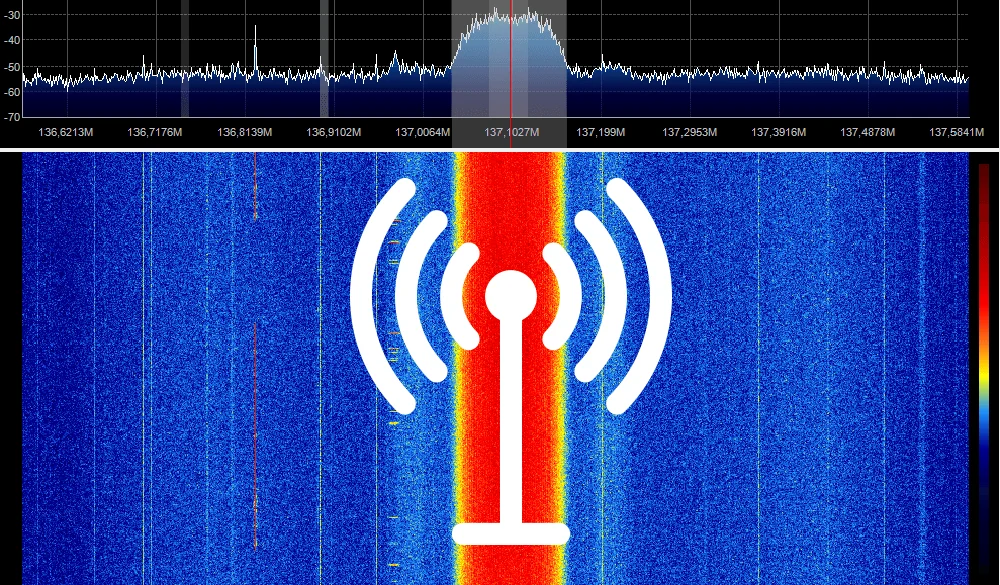
Consumer radio equipment covers a handful of bands: AM, FM, shortwave, emergency. Software defined radio replaces most of the fixed hardware with code and opens the rest of the spectrum to anyone with a modest receiver. A great deal of public activity is transmitted and never published, and listening to it directly is a different kind of access for a reporter than filing a request.
I led this Knight Lab Studio project in the winter 2018 quarter as a first look at what SDR offers the lab's community. Students surveyed what can be done with a cheap receiver and open source software. The questions were what SDR is good for, where its value lies for journalists, students, citizen scientists, and the public, what gets in the way of using it, and what the legal and ethical limits are.