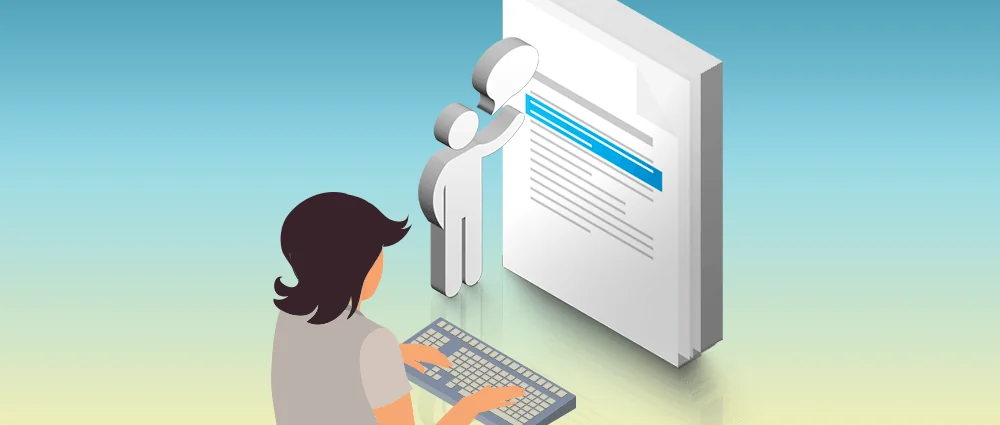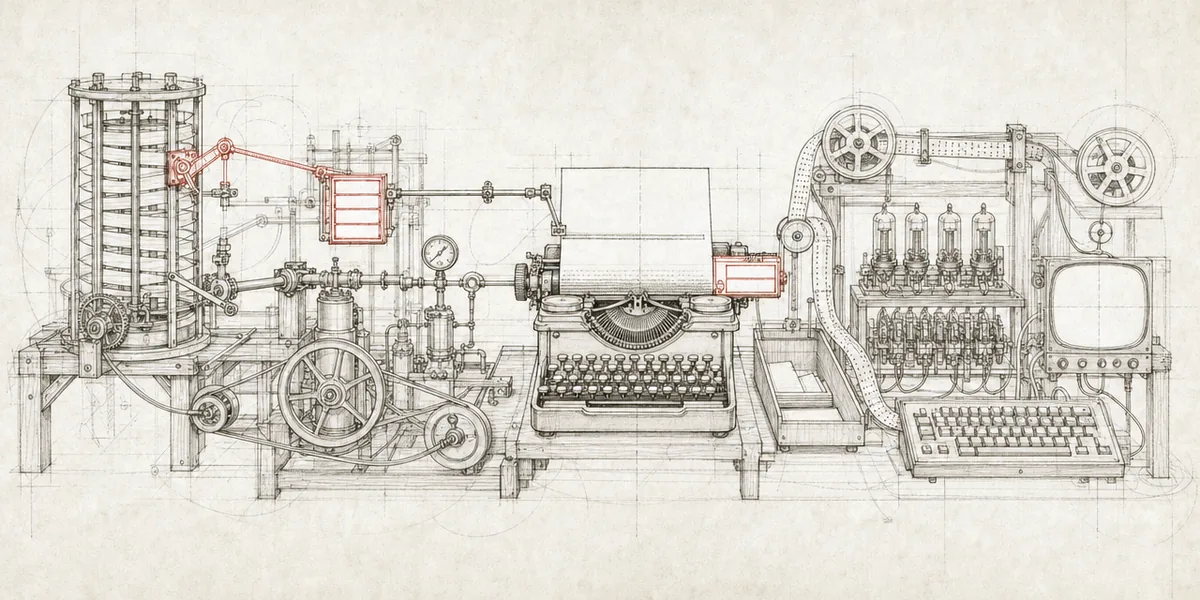
Creative Co-author was a writing tool for the first draft: getting words onto the page, not finishing them. It worked like type-ahead pushed much further. As you wrote, it offered words and phrases along the way, ahead of the cursor and behind it. It did not write for you; the suggestions were there to keep a draft moving, on the theory that stalling can shut down the whole writing process, and that an imperfect suggestion which provokes a better idea has still done its job.
It ran as a Knight Lab Studio project over two quarters of 2018, before large language models made text generation ordinary; the suggestions came from the off-the-shelf language models of the day. Joe Germuska Joe GermuskaExecutive director of Northwestern's Knight Lab. A founding member of the Chicago Tribune news apps team and the creator of Census Reporter.LinkedIn ↗ and I led it; the spring students were Brett BergstromBBBrett BergstromMedill master's candidate in media innovation and entrepreneurship at the time; product-focused researcher and creative writer. On the Creative Co-author team in the Knight Lab Studio, spring 2018.Knight Lab Studio ↗, Jeff BiroriJBJeff BiroriKnight Lab Device Lab fellow; on the Creative Co-author team in the Knight Lab Studio, spring 2018.Knight Lab Studio ↗, Lucy DwyerLDLucy DwyerNorthwestern undergraduate in journalism, integrated marketing communications, and sociology at the time; on the Creative Co-author team in the Knight Lab Studio, spring 2018.Knight Lab Studio ↗, Corinne OsnosCOCorinne OsnosVice president of subscriptions and marketing at Foreign Policy; earlier senior manager of audience strategy for New York magazine's digital brands. Medill master's in media innovation; on the Creative Co-author team in the Knight Lab Studio, spring 2018.Foreign Policy ↗, and Yani XieYXYani XieNorthwestern computer science, class of 2018; on the Creative Co-author team in the Knight Lab Studio, spring 2018.Knight Lab Studio ↗. The first quarter worked on how looking ahead differs from lurking behind, what interface lets a writer take or ignore a suggestion without breaking stride, and whether suggestions could take on a style or a fictional world. The second built on that: better word choices for a given context, suggestions at the level of a phrase or a sentence, and an experience that keeps the author writing from their own mind rather than reacting to the machine.